
Berberine in Glyco Pulse vs GLP-1 Medicines: How They Differ
No. Ozempic is semaglutide, a prescription GLP-1 medicine with a fixed, FDA-reviewed dose. Berberine is a supplement that lowered fasting glucose by about 10 mg/dL on average across 28 studies of people with type 2 diabetes. FDA warns about unapproved GLP-1 products. Never swap a prescribed medicine for a supplement.
Is berberine nature's Ozempic? Where the nickname came from
No. "Nature's Ozempic" is a social media nickname, not a medical finding. It spread because Ozempic became famous and berberine has some blood sugar research behind it.
Search boxes show how far the idea has gone. People type "is berberine nature's Ozempic", "can berberine replace Ozempic" and "natural Ozempic ingredients". The short answer to all three is the same: a supplement is not a GLP-1 medicine.
This article explains the difference in plain terms, what the FDA says about unapproved GLP-1 products, and how to talk with your doctor if you are curious about berberine.
What are Ozempic and other GLP-1 medicines?
Ozempic is the brand name for semaglutide, a prescription GLP-1 medicine used in type 2 diabetes. Tirzepatide is another prescription drug in the same family. FDA lists both as prescription drugs that should be bought only with a prescription from a state-licensed pharmacy (FDA, Unapproved GLP-1 drugs).
A prescription drug goes through FDA review before sale. Its dose is fixed and tested, and a clinician decides who should take it and checks how it goes. None of that applies to a supplement bought off a shelf.
GLP-1 medicines also carry their own side effects and warnings, which is one reason they need a prescriber. That is a reason for care with the drug, not a reason to look for a supplement version.
GLP-1 medicine vs berberine supplement
| Feature | GLP-1 medicine (e.g. semaglutide) | Berberine supplement |
|---|---|---|
| What it is | Prescription drug | Dietary supplement |
| FDA review before sale | Yes | No; FDA does not approve supplements (U.S. FDA, Dietary Supplements Q&A) |
| Who decides the dose | Your prescriber | The product label |
| Dose consistency | Fixed and tested | Varies between products |
| Medical follow-up | Built into care | Up to you |
What did berberine actually do in blood sugar trials?
It lowered blood sugar modestly in people with type 2 diabetes. In one 2010 trial, berberine HCl 500 mg twice a day for 2 months cut fasting glucose by 48 mg/dL (Zhang et al., 2010 (berberine trial; NMJ summary)). That single trial is where many bold headlines start.
Fasting glucose change on berberine: one trial vs the pooled average
Across 28 studies, the average fasting drop was about 10 mg/dL, and the effect became unremarkable past 90 days, above 2 g a day and over age 60 (Liang et al., 2019 (berberine meta-analysis)). MSK calls the diabetes studies "of limited quality" (MSK About Herbs, Berberine, 2023).
That is a real signal, but it is not a match for a prescription drug. Our post on whether berberine lowers blood sugar has the full detail.
Berberine vs Ozempic: the difference, side by side
The biggest difference is not strength. It is what you can count on. With a prescription drug you know the dose, the evidence and who is watching. With a supplement, you mostly have the label.
GLP-1 medicines went through FDA review as drugs. Berberine has short, mostly small trials that MSK rates as limited quality, and the ADA does not recommend herbal supplements for blood sugar (ADA Standards of Care, 2026).
"Berberine vs Ozempic weight loss" is a common search. Our sources do not support berberine as a weight-loss drug, and we will not compare made-up numbers. Ask your doctor what is realistic for you.
Berberine can upset the stomach and changes levels of some medicines, including cyclosporine and tacrolimus. It must be avoided in pregnancy, breastfeeding and infancy.
A GLP-1 needs a prescription. A supplement does not, which makes it easy to buy but also easy to use without anyone checking your medicines.
What does the FDA say about unapproved GLP-1 drugs?
FDA warns people to be careful with GLP-1 products sold outside normal pharmacy channels. By its count to November 30, 2024, it had received more than 392 adverse-event reports for compounded semaglutide and 215 for compounded tirzepatide (FDA, Unapproved GLP-1 drugs).
The same caution applies to anything sold as a cheap or natural stand-in. If a website offers a GLP-1 without a prescription, or a supplement that claims to work like one, walk away.
- 1
Get a prescription
GLP-1 medicines are prescription drugs. A clinician decides if one fits you.
- 2
Use a licensed pharmacy
FDA advises buying only from state-licensed pharmacies.
- 3
Check the product
Be wary of vials or pens sold online without a prescription.
- 4
Report problems
Tell your clinician about side effects, and report them to FDA MedWatch.
Natural Ozempic claims: red flags to watch for
A supplement that says it treats or prevents diabetes is an unapproved drug in the FDA's view. In 2021, FDA and FTC warned 10 companies over such claims, noting that people who rely on them instead of proven therapy could be harmed (FDA and FTC, Diabetes warning letters, 2021).
- Uses "Ozempic", "GLP-1" or "semaglutide" to sell a supplementRed flag
- Says you can stop insulin, metformin or other medicineRed flag
- Promises to reverse or cure diabetesRed flag
- Countdown timers and "last chance" pricesRed flag
- Shows a full Supplement Facts labelGood sign
- Tells you to ask your doctor if you take medicineGood sign
The FTC adds that health claims need competent and reliable science, and a "results not typical" line does not fix a misleading claim (FTC, Health Products Compliance Guidance).
A label that sticks to support wording, such as "blood sugar support", is a different thing from a drug claim. Even so, read every label word by word and compare it with what the ad promises.
Can you take berberine while taking Ozempic?
Ask your prescriber before you add it. There is no simple yes or no, because it depends on your other medicines.
Three points are worth raising at the visit. Berberine plus diabetes drugs lowered glucose more than either alone in pooled trials, so lows are possible, especially if you also use insulin or a sulfonylurea (NIDDK, Low blood glucose). Berberine slows several liver enzymes that clear medicines. And both can upset the stomach.
If you are looking at berberine because a GLP-1 is hard to get or afford, say so at the visit. Your clinician may have other options, and a pharmacist can check your list for interactions. That talk is safer than a quiet swap.
Where does Glyco Pulse fit? Not as a natural Ozempic
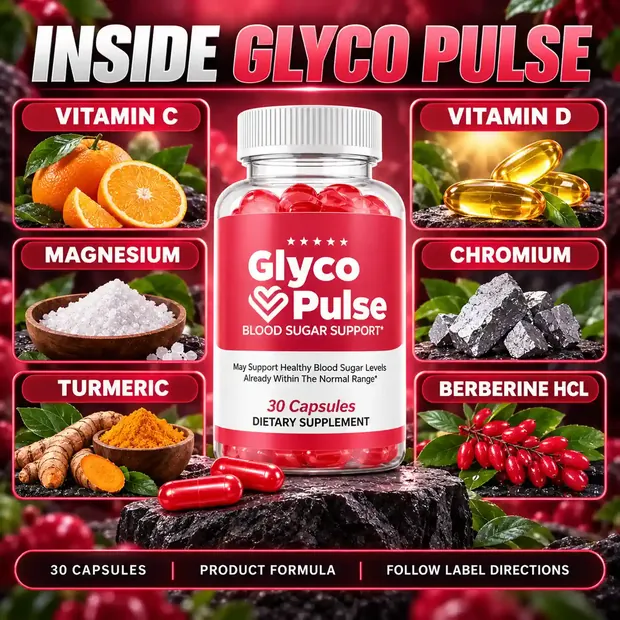
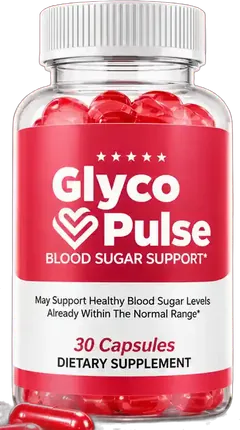
Glyco Pulse is a once-a-day capsule. It lists berberine HCl as one of 13 herbs in a 528 mg blend, with chromium 100 mcg and vitamins C and D. The amount of berberine is not published.
It is not a GLP-1 drug, not a natural Ozempic and not a diabetes treatment. Its label claim is "May Support Healthy Blood Sugar Levels Already Within The Normal Range*" *These statements have not been evaluated by the Food and Drug Administration. This product is not intended to diagnose, treat, cure, or prevent any disease. The sales page does not call it nature's Ozempic either.
If that narrow claim fits what you want, read the berberine page and the side effects page, and check with your doctor.
Berberine and Ozempic questions
Is berberine nature's Ozempic?
No. Berberine is a plant compound sold as a supplement, while Ozempic is semaglutide, a prescription GLP-1 medicine. They are different substances, are regulated differently and have very different levels of evidence.
Is berberine like Ozempic?
Only in the loose sense that both have been studied for blood sugar in type 2 diabetes. Berberine is not a GLP-1 medicine, and pooled trials found an average fasting glucose drop of about 10 mg/dL.
Does berberine work like Ozempic?
No. Berberine is not a GLP-1 medicine and has not been shown to work the same way or as well. Its average effect on fasting glucose was about 10 mg/dL in people with type 2 diabetes.
Can berberine replace Ozempic?
No. Never stop or swap a prescribed medicine for a supplement. FDA warns that people who rely on unproven products instead of proven diabetes therapy could be harmed.
Does Ozempic contain berberine?
No. The active ingredient in Ozempic is semaglutide. It contains no berberine.
Can you take berberine while taking Ozempic?
Ask your prescriber first. Both are aimed at blood sugar, berberine changes how some drugs are cleared, and stacking glucose-lowering products can raise the risk of lows, especially with insulin or sulfonylureas.
What is the difference between berberine and Ozempic?
Ozempic is an FDA-approved prescription drug with a fixed, tested dose. Berberine is a dietary supplement; FDA does not approve supplements before sale, and doses vary between products.
Is there a natural Ozempic?
No supplement, drink or herb is a GLP-1 medicine. Products sold as natural Ozempic use a drug's name for marketing, which is a red flag.
Is it safe to buy semaglutide online?
Only with a prescription from a state-licensed pharmacy, FDA advises. It had more than 392 adverse-event reports for compounded semaglutide and warns about unapproved versions.
Is Glyco Pulse a natural Ozempic?
No. Glyco Pulse is a dietary supplement with berberine in a 528 mg herbal blend. It is not a GLP-1 drug and does not replace any medicine.
Does Glyco Pulse contain a GLP-1 drug?
No. Glyco Pulse is a dietary supplement sold as capsules, not a prescription GLP-1 medicine. It carries a general blood sugar support claim for levels already within the normal range.
Can I use Glyco Pulse instead of a prescribed GLP-1 medicine?
No. Never swap a prescribed medicine for a supplement. Talk to your doctor before adding Glyco Pulse, because several herbs in it can matter with common medicines.
Should I talk to my doctor before using Glyco Pulse with a prescribed medicine?
Yes. Glyco Pulse is a supplement, not a replacement for any prescribed medicine, so ask your doctor first.
Ready to try Glyco Pulse?
Order from the U.S. authorized merchant, keep your order email, and you are covered by the 60-day money-back guarantee. Questions first? Call +1 (877) 257-0710.
- Secure checkout
- 60-day refund window
- Ships from the US
- Tracking by email
Keep reading
Berberine
Trial doses, two meta-analyses, the Ozempic myth and medicine interactions for berberine HCl.
Read more →Blood sugar guide
Prediabetes facts, the 58% lifestyle result, low blood sugar signs and where a capsule fits.
Read more →Does berberine lower blood sugar?
What berberine trials found, the doses used, why the effect faded and who should avoid it.
Read more →