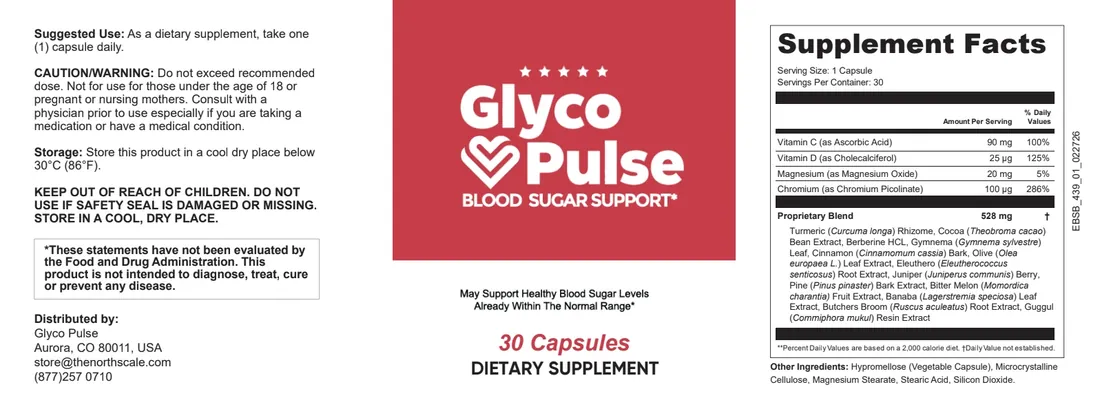
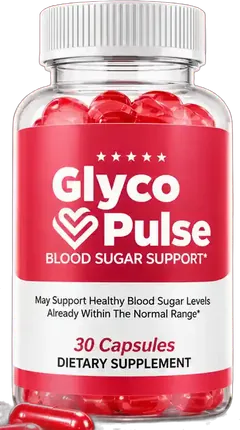
Glyco Pulse lists cassia cinnamon, gymnema, bitter melon and banaba in a 528 mg blend of 13 herbs, about 41 mg each on average. Studies used far more: cinnamon 120 mg to 6 g a day, gymnema about 1,200 mg. Cinnamon cut fasting glucose about 25 mg/dL without changing HbA1c. Bitter melon evidence is low quality, and it should be avoided in pregnancy.
Four traditional herbs that share one hidden blend.
Besides berberine, four herbs in the Glyco Pulse blend are known for blood sugar: cassia cinnamon, gymnema, bitter melon and banaba. Tap each card to see what research says.
Bark
Cassia cinnamon
The common supermarket cinnamon, listed as Cinnamomum cassia bark.
Tap to see the research ↻
Cassia cinnamon: the research
Fasting glucose fell about 25 mg/dL in pooled trials; HbA1c did not change significantly. Contains coumarin.
Tap to flip back ↺
Leaf
Gymnema
An Ayurvedic leaf whose name, gurmar, means sugar destroyer.
Tap to see the research ↻
Gymnema: the research
Ten small studies found lower fasting glucose and HbA1c. Typical dose is about 1,200 mg a day.
Tap to flip back ↺
Fruit extract
Bitter melon
A bitter gourd eaten as a vegetable in much of Asia.
Tap to see the research ↻
Bitter melon: the research
Evidence is limited and rated low quality. Avoid in pregnancy.
Tap to flip back ↺
Leaf extract
Banaba
A tropical tree leaf that contains corosolic acid.
Tap to see the research ↻
Banaba: the research
A narrative review reports quick blood sugar drops with pure corosolic acid. Few strong trials.
Tap to flip back ↺
Each sits in the same 528 mg proprietary blend, and none has its own printed amount. The label claim is the brand's wording only: "May Support Healthy Blood Sugar Levels Already Within The Normal Range*" *These statements have not been evaluated by the Food and Drug Administration. This product is not intended to diagnose, treat, cure, or prevent any disease.
Dose check
How much cinnamon, gymnema and bitter melon is in Glyco Pulse?
About 41 mg each on average, if the blend were split evenly.
The exact amounts are not published. What we can do is simple math on the label and compare it with the doses used in research.
528 mgwhole blend÷ 13herbs listed≈ 41 mgaverage per herb
Research doses versus the label
Herb
Studied or typical amount
Glyco Pulse amount
Cassia cinnamon
120 mg to 6 g a day in trials
Not published
Gymnema
About 400 mg three times a day (1,200 mg)
Not published
Bitter melon
No standard dose in these sources
Not published
Banaba
Pure corosolic acid in studies, not whole leaf
Not published
The label prints one 528 mg total for all 13 herbs. Only the vitamins, magnesium and chromium show their own amounts.
An even split is only a guide, because the maker can weigh herbs any way it likes. Still, the gap is clear. Gymnema's typical daily dose is more than twice the whole blend, and an average share would be about 3% of it.
Cinnamon research
Does cinnamon lower blood sugar? What the meta-analysis found
A fasting glucose signal, with no clear change in HbA1c.
Cinnamon lowered fasting glucose in some trials, but not the longer-term marker. A 2013 meta-analysis of 10 trials with 543 people with type 2 diabetes found fasting glucose about 25 mg/dL lower and better blood fats (Allen et al., 2013 (cinnamon meta-analysis)). HbA1c, the 3-month average, moved only -0.16%, which was not significant.
Editorial view of how firm each cinnamon finding is
Fasting glucoseModeratelower in pooled trials
Blood fats (lipids)Moderateimproved in pooled trials
HbA1cWeakno significant change
Best dose and lengthUncleartrials varied widely
NCCIH sums it up plainly: research does not clearly support cinnamon for any health condition (NCCIH, Cinnamon, 2024). The authors of the meta-analysis also warned that mixed results and unclear dosing limit its use in clinics. For a side-by-side with chromium, read our cinnamon and chromium article.
For most people, cinnamon in food is fine. The concern is long-term supplement use of cassia, which contains coumarin. NCCIH says coumarin has been linked to liver problems, so prolonged use could be an issue for sensitive people such as those with liver disease (NCCIH, Cinnamon, 2024).
The amount of cassia in one capsule is likely small, but it is not published. If you also take cinnamon capsules or drink cinnamon tea every day, mention that total to your doctor.
Gymnema research
What does gymnema sylvestre do for blood sugar?
Small studies, real signals, and a dose far above the blend.
Gymnema is best known for dulling sweet taste for a while, and it is studied for blood sugar. A 2021 review pooled 10 small studies with 419 adults who had type 2 diabetes. Gymnema lowered fasting glucose, after-meal glucose and HbA1c (Devangan et al., 2021).
Typical dose 400 mg three times daily; possible rare liver injury
Those studies were in people with diabetes, often next to their usual care. The Glyco Pulse label claim is about levels already in the normal range, which is a different group.
Gymnema safety
Gymnema sylvestre side effects and dangers
Rare liver reports and medicine stacking.
Gymnema is usually well tolerated, but two risks matter. The first is liver injury, which is rare. LiverTox lists gymnema as a possible rare cause (LiverTox, Gymnema). The second is extra low blood sugar risk in people on diabetes medicine (NCCIH, Diabetes and supplements).
Stop and call a doctor if you notice yellow skin or eyes, dark urine or pain under the right ribs.
If you use insulin or diabetes pills, ask before starting, and check your glucose as your doctor advises.
Tell your surgeon about any blood sugar herb before a planned operation.
Bitter melon
Does bitter melon lower blood sugar? Evidence and pregnancy warning
A food in many kitchens, but weak evidence as an extract.
Not reliably, based on current research. MSK says data are limited, and a meta-analysis rated the evidence low quality with sparse safety data (MSK About Herbs, Bitter melon, 2021).
Bitter melon safety notes
Concern
What MSK reports
Diabetes medicines
May add to insulin and glucose-lowering drugs
Other drugs
May affect drugs moved by P-gp or cleared by CYP2C9
An interesting compound, with thin human evidence.
Banaba is a tree leaf that contains corosolic acid. A 2012 review reports that pure corosolic acid lowered blood sugar within 60 minutes in humans (Stohs et al., 2012 (banaba review)). The authors found no adverse effects in animal studies or the controlled human trials they reviewed.
Two limits keep this modest. It was a narrative review, which is weaker than a meta-analysis. And the studies used pure corosolic acid, while the blend lists banaba leaf extract with no strength or amount.
Banaba may still stack with other blood sugar herbs in the formula, so the medicine advice on the side effects page applies here too.
Bottom line
The honest bottom line on these four Glyco Pulse herbs
Real herbs, unknown amounts, sensible expectations.
Each herb has some research, but none is at a known dose in Glyco Pulse. The ADA 2026 Standards of Care do not recommend herbs and spices such as cinnamon for blood sugar benefit (ADA Standards of Care, 2026).
Four herbs at a glance
Herb
Best evidence
Main caution
Cassia cinnamon
Fasting glucose about 25 mg/dL lower; HbA1c unchanged
Coumarin and the liver
Gymnema
10 small studies, lower glucose and HbA1c
Rare liver injury
Bitter melon
Low-quality evidence
Pregnancy; drug interactions
Banaba
Narrative review of corosolic acid
May stack with diabetes medicines
Think of these herbs as part of a small daily blend, not as a dose of any one of them. If your blood sugar is already normal and your doctor is fine with it, Glyco Pulse can sit beside good meals and regular walks. See the full ingredients list for the rest of the formula.
FAQ
Cinnamon, gymnema, bitter melon and banaba questions
Does cinnamon lower blood sugar?
In some studies, a little. A 10-trial meta-analysis in type 2 diabetes found fasting glucose about 25 mg/dL lower, but HbA1c did not change significantly (Allen et al., 2013 (cinnamon meta-analysis)). NCCIH says it is unclear whether cinnamon supplements help with diabetes (NCCIH, Cinnamon, 2024).
Does cinnamon lower blood sugar instantly?
No source used here shows an instant effect. The trials measured fasting glucose after weeks of daily use. A sprinkle on oatmeal is a flavor, not a quick fix.
What is the cinnamon dose for blood sugar?
Trials used anywhere from 120 mg to 6 g a day, and the best dose is unclear (Allen et al., 2013 (cinnamon meta-analysis)). The whole Glyco Pulse blend is 528 mg across 13 herbs, so its cassia share is at most near the low end.
Is cassia or Ceylon cinnamon better for blood sugar?
The sources here do not rank them for blood sugar. Cassia, the type in Glyco Pulse, contains coumarin, which has been linked to liver problems in sensitive people (NCCIH, Cinnamon, 2024). If you want to compare types, ask your pharmacist.
What are the side effects of gymnema sylvestre?
Gymnema is usually well tolerated in short studies, but LiverTox lists it as a possible rare cause of liver injury (LiverTox, Gymnema). With diabetes medicine it may also add to low blood sugar risk.
What is the typical gymnema dose?
A typical dose is about 400 mg three times a day, or 1,200 mg daily (LiverTox, Gymnema). That is more than twice the entire 528 mg Glyco Pulse blend.
Does bitter melon lower blood sugar?
The evidence is weak. MSK says data are limited and a meta-analysis rated the evidence low quality, with sparse safety data (MSK About Herbs, Bitter melon, 2021).
What are bitter melon side effects and interactions?
Bitter melon may add to insulin and diabetes medicines, may affect drugs handled by P-gp and CYP2C9, and has case reports of atrial fibrillation, stomach ulcer and kidney inflammation (MSK About Herbs, Bitter melon, 2021). It should be avoided in pregnancy.
What are banaba leaf benefits and side effects?
Banaba contains corosolic acid, which a 2012 review says lowered blood sugar within 60 minutes in humans (Stohs et al., 2012 (banaba review)). The authors reported no adverse effects in the studies they reviewed, but it was a narrative review, not a meta-analysis.
Does the ADA recommend cinnamon for blood sugar?
No. The ADA 2026 Standards of Care do not recommend herbs and spices such as cinnamon for blood sugar benefit (ADA Standards of Care, 2026).
Ready to try Glyco Pulse?
Order from the U.S. authorized merchant, keep your order email, and you are covered by the 60-day money-back guarantee. Questions first? Call +1 (877) 257-0710.