
Does Berberine Lower Blood Sugar? GlycoPulse Label
In people with type 2 diabetes, berberine HCl 500 mg twice a day lowered fasting glucose in trials. One 2010 trial found a 48 mg/dL drop, but a review of 28 studies found about 10 mg/dL on average, fading after 90 days and over age 60. Berberine interacts with several medicines and is unsafe in pregnancy.
What is berberine HCl, and why do people use it for blood sugar?
Berberine is a bitter, yellow plant compound. It is found in goldenseal, barberry and several other plants. Berberine HCl is the same compound in a salt form, which is how most capsules and most trials use it.
People search "berberine for blood sugar" because it is the best-studied herb for this use. NCCIH notes that berberine has been studied for blood sugar, mostly in people who already have type 2 diabetes (NCCIH, Goldenseal (berberine), 2025). That detail matters. Most of the research is about diabetes, not about healthy adults with normal readings.
Berberine names and what they mean
| Name you may see | What it is |
|---|---|
| Berberine | The plant compound itself |
| Berberine HCl | Berberine as a salt; the common form in capsules and trials |
| Goldenseal | A plant that contains berberine plus other compounds |
| Barberry | Another plant that contains berberine |
Does berberine lower blood sugar? The trial that started the buzz
In one 2010 trial, yes, and by a lot. Researchers gave 97 adults with type 2 diabetes berberine HCl 500 mg twice a day for 2 months.
Fasting glucose fell 48 mg/dL, about 26%. HbA1c fell 18%. Those changes were similar to the groups taking metformin or rosiglitazone (Zhang et al., 2010 (berberine trial; NMJ summary)).
Zhang 2010: berberine in 97 adults with type 2 diabetes
| Measure | Change on berberine | What it means |
|---|---|---|
| Fasting glucose | −48 mg/dL (−26%) | Morning reading before breakfast |
| HbA1c | −18% | Average blood sugar over about 3 months |
| Compared with | Metformin and rosiglitazone groups | Results were in a similar range |
| Dose | 500 mg twice a day | About 1 g a day of berberine HCl |
| Length | 2 months | A short trial |
These numbers are where the "berberine works like metformin" headlines come from. One trial is a starting point, though, not the whole story. The bigger picture comes from pooling many studies.
What did 28 berberine studies find when pooled together?
The average effect was real but smaller. A 2019 meta-analysis pooled 28 studies with 2,313 people who had type 2 diabetes.
Fasting glucose fell by 0.54 mmol/L, which is about 10 mg/dL. Post-meal glucose fell by 0.94 mmol/L, about 17 mg/dL, and HbA1c also improved versus control (Liang et al., 2019 (berberine meta-analysis)).
Fasting glucose change on berberine: one trial vs the pooled average
A quick note on units. U.S. meters show mg/dL, while many studies report mmol/L. To convert, multiply mmol/L by 18. So 0.54 mmol/L is about 10 mg/dL, and 0.94 mmol/L is about 17 mg/dL. Those are averages; some people changed more and some less.
The review also found three limits. The effect became unremarkable in studies longer than 90 days, at doses above 2 g a day, and in people over 60. For many readers of this site, that last point matters most.
Berberine plus diabetes drugs lowered glucose more than either alone. That sounds helpful, but it is also why low blood sugar is a real risk when people stack them.
What is the berberine dosage for blood sugar in studies?
Most trials used berberine HCl 500 mg twice a day. That is about 1 g a day, usually split between two meals.
Going higher did not seem to help. In the pooled review, studies above 2 g a day did not show a clearer benefit.
Compare that with Glyco Pulse. Each capsule holds a 528 mg blend of 13 herbs, and berberine HCl is one of them. Even if the whole blend were berberine, it would be about half the 1 g studied. The real berberine share is not published. Our berberine ingredient page goes through the math.
What are the limits of the berberine research?
The studies are promising but not strong. MSK says a few studies and meta-analyses suggest berberine may help in diabetes, but calls them "of limited quality" (MSK About Herbs, Berberine, 2023).
- Short trials. Many lasted 2 to 3 months, and effects faded past 90 days.
- Mostly people with diabetes. Few studies looked at adults with normal blood sugar.
- Mixed products. Doses and sources varied from study to study.
- Not in guidelines. The ADA does not recommend herbal supplements for blood sugar benefit (ADA Standards of Care, 2026).
Berberine is also not a GLP-1 medicine. We explain why in is berberine nature’s Ozempic?
Berberine side effects, drug interactions and safety
Most side effects are mild and stomach-related. The more serious issue is how berberine interacts with medicines.
Berberine side effects and interactions
| Concern | What the sources say |
|---|---|
| Stomach and skin | Appetite loss, upset stomach, diarrhea, constipation and rash (MSK) |
| Low blood sugar | Added to diabetes drugs, glucose fell further than with either alone |
| Transplant drugs | Raised cyclosporin levels in adults and tacrolimus in one child |
| Liver enzymes | Repeated doses lowered CYP2D6, 2C9 and 3A4 activity, which clear many drugs |
| Metformin | Goldenseal extract, which contains berberine, cut metformin levels about 25% |
Our article on blood sugar supplements and medicines has a checklist you can take to a pharmacist.
Is berberine right for you? A quick check
Answer these five questions. If any answer differs from the safe one, talk to your doctor or pharmacist before trying berberine or a product that contains it.
Where does Glyco Pulse fit in the berberine picture?
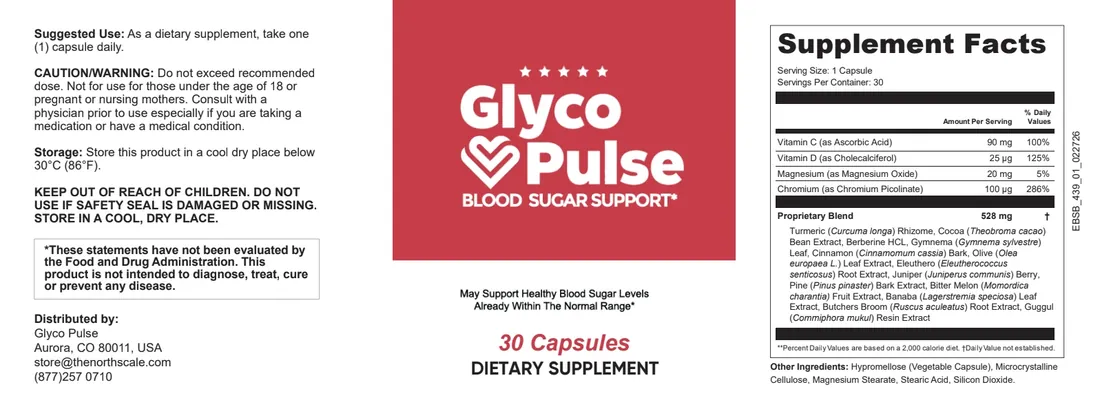
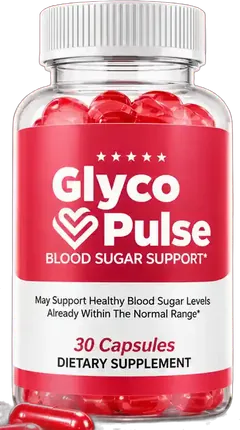
Glyco Pulse is a once-a-day capsule. Its label lists berberine HCl among 13 herbs in a 528 mg blend, plus chromium 100 mcg and vitamins C and D. The label claim is "May Support Healthy Blood Sugar Levels Already Within The Normal Range*" *These statements have not been evaluated by the Food and Drug Administration. This product is not intended to diagnose, treat, cure, or prevent any disease.
That claim is narrower than the trials above, which studied people with diabetes. Glyco Pulse is not a diabetes treatment and does not replace any medicine. If you are curious, read the side effects page and check with your doctor, especially if you take medicine.
Berberine and blood sugar questions
Does berberine lower blood sugar?
In trials of people with type 2 diabetes, berberine lowered fasting glucose, post-meal glucose and HbA1c compared with control. A 28-study review found an average fasting drop of about 10 mg/dL, and MSK rates the studies as limited quality.
What is the berberine dosage for blood sugar?
Trials commonly used berberine HCl 500 mg twice a day, about 1 g a day, for around 2 months. The 28-study review found no extra benefit above 2 g a day.
How long does berberine take to lower blood sugar?
The best-known trial measured results after 2 months. In the pooled review, the effect looked clearest in studies up to 90 days and became unremarkable in longer ones.
Can berberine be taken with metformin?
Only with your doctor's approval. In a study of goldenseal extract, which contains berberine, metformin levels fell about 25%. Pooled trials also found berberine plus diabetes drugs lowered glucose more than either alone, which can raise low blood sugar risk.
Is berberine safe for diabetics?
It needs a clinician's check. Berberine may add to insulin or sulfonylureas, changes how some drugs are cleared, and is not a replacement for diabetes care.
What are berberine side effects?
MSK lists appetite loss, upset stomach, diarrhea, constipation and rash as mild side effects. Drug interactions are the more serious concern.
What is the difference between berberine and berberine HCl?
Berberine HCl is berberine in a salt form, which is how it is usually sold and studied. The trials in this article used berberine HCl.
Is berberine safe during pregnancy or breastfeeding?
No. MSK and NCCIH say to avoid it in pregnancy and breastfeeding, because berberine may worsen jaundice in newborns and can cause a rare brain injury called kernicterus.
How much berberine is in Glyco Pulse?
Not published. Berberine HCl is one of 13 herbs in a 528 mg blend, and the label does not give the amount of each.
Is berberine safe to take every day?
Trials gave it daily for about 2 to 3 months, and evidence beyond 90 days is thin. If you take any prescription, ask a pharmacist before daily use, because berberine changes how several drugs are cleared.
Does GlycoPulse contain berberine HCl?
Yes, berberine HCl is one of the herbs in the 528 mg GlycoPulse blend. The amount of each herb is not published, so you cannot compare it directly with the 500 mg twice a day used in trials.
Is the berberine in GlycoPulse safe with other medicines?
Berberine changes levels of some medicines and is unsafe in pregnancy. Ask your doctor or pharmacist before combining it with any prescription, including when it comes from a blend such as GlycoPulse.
Should I take berberine with food or on an empty stomach?
The trials described in this guide do not set a rule for that, and the GlycoPulse label gives one capsule daily. Ask your pharmacist if you take other medicines.
Ready to try Glyco Pulse?
Order from the U.S. authorized merchant, keep your order email, and you are covered by the 60-day money-back guarantee. Questions first? Call +1 (877) 257-0710.
- Secure checkout
- 60-day refund window
- Ships from the US
- Tracking by email
Keep reading
Berberine
Trial doses, two meta-analyses, the Ozempic myth and medicine interactions for berberine HCl.
Read more →Side effects
Side effects by ingredient, medicine interactions and clear stop signs.
Read more →Is berberine nature's Ozempic?
Why berberine is not a GLP-1 drug, what trials found and what FDA says about unapproved GLP-1s.
Read more →